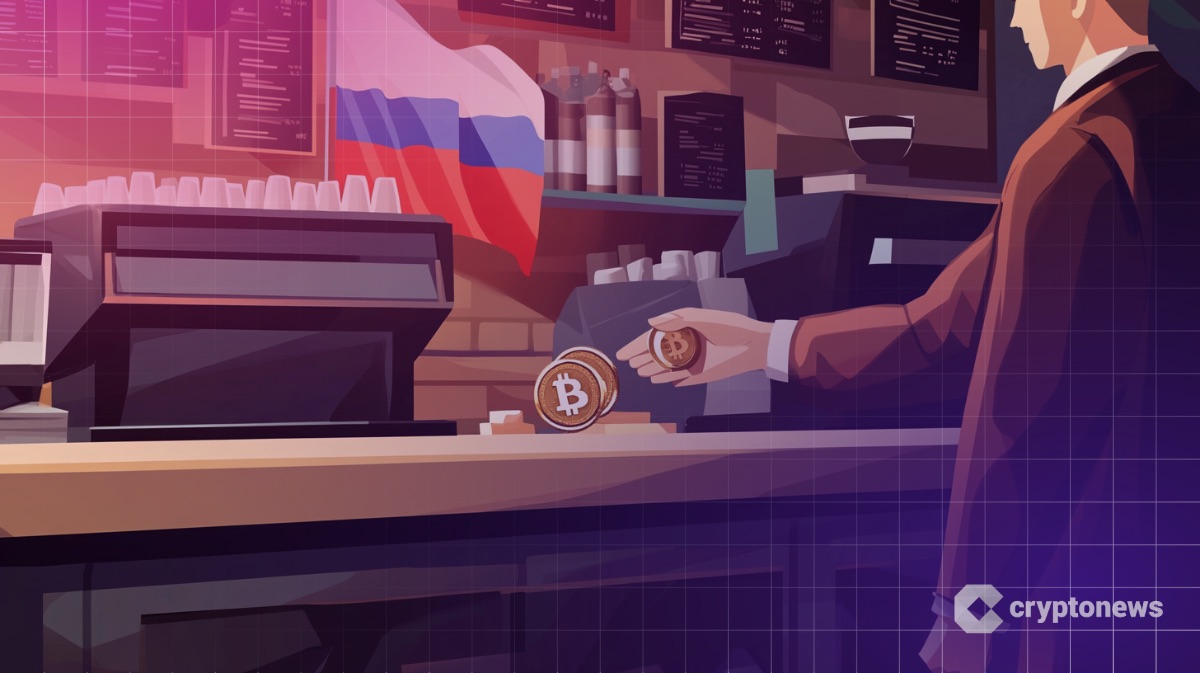
In a definitive statement, senior Russian lawmaker Anatoly Aksakov has ruled out any possibility of cryptocurrency achieving legal tender status in Russia, insisting that the ruble must remain the exclusive medium for domestic payments. The declaration underscores Russia's cautious approach to digital assets despite the country's evolving regulatory framework for crypto activities.
Russia has drawn a firm line in the sand regarding cryptocurrency's role in its economy, with influential lawmaker Anatoly Aksakov categorically stating that digital currencies will never be recognized as official currency within the nation's borders.
Aksakov, who chairs the State Duma Committee on Financial Markets, emphasized that all payments conducted within Russia must be denominated and settled exclusively in rubles, the country's national currency. This position effectively eliminates any prospect of Bitcoin, Ethereum, or other cryptocurrencies being adopted as legal tender similar to El Salvador's groundbreaking move in 2021.
The statement reflects Russia's nuanced and somewhat paradoxical relationship with digital assets. While the country has been developing regulatory frameworks to legitimize certain crypto activities—including mining and international trade settlements—the Kremlin remains steadfast in protecting the ruble's monopoly on domestic transactions.
This stance aligns with concerns shared by central banks worldwide about cryptocurrency adoption threatening monetary sovereignty and financial stability. Russian authorities have consistently worried that widespread crypto usage could undermine the central bank's control over monetary policy and facilitate capital flight from the ruble.
However, Russia's position on cryptocurrency isn't entirely prohibitive. The country legalized crypto mining in 2020 and has been exploring blockchain technology for various applications. There have also been discussions about using cryptocurrency for cross-border payments, particularly as Western sanctions have restricted Russia's access to traditional international financial systems.
The timing of Aksakov's statement is significant, coming amid ongoing global debates about the future of money and the role of digital currencies. While some nations experiment with Central Bank Digital Currencies (CBDCs) and others explore crypto-friendly policies, Russia appears determined to maintain strict boundaries between experimental crypto activities and core monetary functions.
For international investors and the global crypto community, Russia's position represents both clarity and limitation. While certain crypto-related businesses may operate within defined parameters, those hoping for broader adoption of digital currencies as everyday payment methods in Russia will need to look elsewhere. The message from Moscow is clear: when it comes to official currency status, the ruble reigns supreme and cryptocurrencies need not apply.