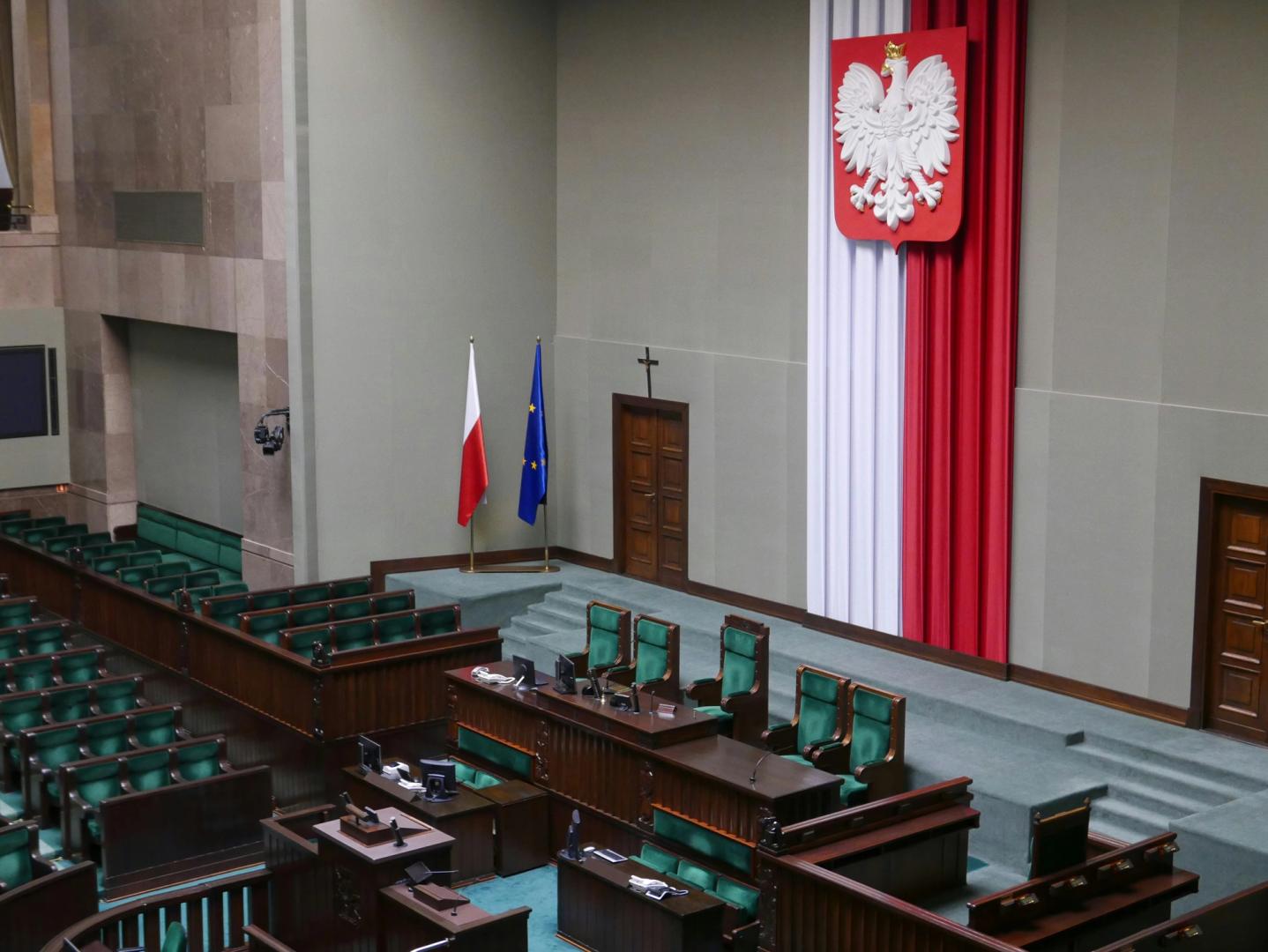
Poland's lower house of parliament has voted to approve cryptocurrency legislation for the second time, overriding a presidential veto that temporarily halted the bill's progress. The renewed approval sends the controversial legislation back to the Senate, marking a critical juncture in Poland's efforts to establish a comprehensive regulatory framework for digital assets.
Poland's journey toward cryptocurrency regulation has taken another significant turn as the country's lower house of parliament, the Sejm, voted to approve digital asset legislation once again, effectively challenging President Andrzej Duda's earlier veto of the bill.
The legislative ping-pong underscores the ongoing debate within Polish political circles about how best to regulate the burgeoning cryptocurrency sector. By voting to override the presidential veto, lawmakers have demonstrated strong support for establishing clear rules governing digital asset operations within the country's borders. The bill now returns to the Senate for further consideration, where it will face additional scrutiny before potentially becoming law.
The proposed legislation aims to bring Poland in line with European Union standards while addressing domestic concerns about consumer protection, anti-money laundering measures, and the taxation of cryptocurrency transactions. Industry observers note that Poland has emerged as one of Central Europe's most active cryptocurrency markets, making regulatory clarity increasingly urgent for both businesses and investors operating in the space.
President Duda's initial veto raised questions about specific provisions within the bill, though the lower house's decisive action suggests lawmakers believe the benefits of moving forward outweigh any reservations. The override vote reflects broader momentum across Europe toward establishing comprehensive cryptocurrency frameworks, particularly as the EU's Markets in Crypto-Assets (MiCA) regulation approaches full implementation.
For Poland's growing community of cryptocurrency exchanges, wallet providers, and blockchain startups, the legislation's progress represents both opportunity and challenge. While clear regulations could attract institutional investment and legitimize the sector, compliance requirements may also impose significant operational burdens, particularly on smaller players.
The Senate's upcoming deliberations will be closely watched by stakeholders across the European cryptocurrency ecosystem. Should the bill ultimately become law, Poland would join a growing number of EU member states actively shaping their digital asset landscapes ahead of continent-wide regulatory harmonization.
As the legislative process continues, the outcome will likely influence not only Poland's position in the global cryptocurrency market but also serve as a potential model for other emerging markets grappling with similar regulatory challenges.