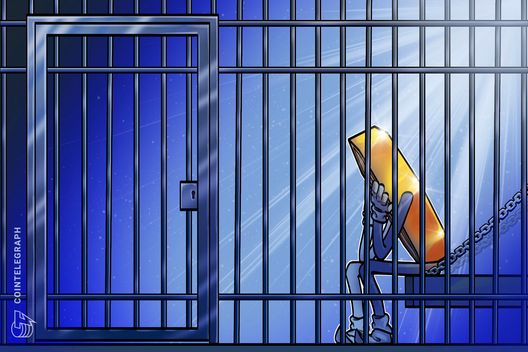
Keonne Rodriguez, co-founder of privacy-focused cryptocurrency wallet Samourai, is making a direct appeal to President Donald Trump for a pardon before reporting to prison this Friday. Rodriguez, who faces five years for operating an unlicensed money transmission business, claims his prosecution represents politically motivated 'lawfare' from the previous administration targeting the cryptocurrency industry.
In a dramatic eleventh-hour appeal, Samourai Wallet co-founder Keonne Rodriguez has publicly called for a presidential pardon from Donald Trump, characterizing his prosecution as politically driven enforcement action from the Biden administration. Rodriguez announced via social media that he is scheduled to begin serving a five-year prison sentence this Friday after being convicted of operating an illegal money transmitting business.
The case against Rodriguez and Samourai Wallet has become a flashpoint in the ongoing debate over cryptocurrency privacy tools and regulatory overreach. Federal prosecutors alleged that Samourai facilitated money laundering by providing enhanced privacy features to its users, processing over $2 billion in transactions. However, Rodriguez and his supporters argue that building privacy-preserving technology should not be criminalized, drawing parallels to the prosecution of other cryptocurrency developers.
Rodriguez's framing of his case as 'Biden-era lawfare' taps into broader cryptocurrency industry grievances about enforcement actions during the previous administration. Many crypto advocates have criticized what they view as regulation-by-enforcement, where criminal charges are brought against developers and entrepreneurs rather than establishing clear regulatory frameworks. The term 'Operation Chokepoint 2.0' gained traction in crypto circles to describe perceived coordinated government pressure on the industry.
The timing of Rodriguez's appeal is significant, as President Trump has positioned himself as pro-cryptocurrency and pardoned numerous individuals since returning to office. Trump's recent pardons of January 6th participants and his campaign promises to support digital asset innovation have given crypto defendants hope for clemency. However, whether Trump will extend pardons to cryptocurrency cases remains uncertain.
The Samourai case raises fundamental questions about financial privacy in the digital age. Privacy advocates argue that tools enabling confidential transactions are essential for protecting civil liberties, while law enforcement contends that such services enable criminal activity. Rodriguez's impending imprisonment may galvanize further debate about the appropriate balance between privacy rights and regulatory compliance in cryptocurrency.
As Friday approaches, the cryptocurrency community watches closely to see whether Rodriguez's appeal will resonate with an administration that has signaled friendliness toward digital assets but has yet to clearly define its stance on privacy-focused cryptocurrency tools and their developers.