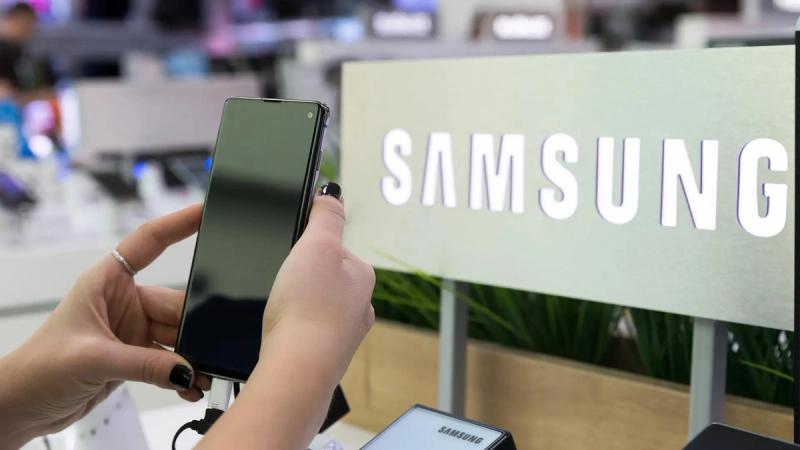
Samsung has partnered with Solana to integrate Circle's USDC stablecoin into its Galaxy smartphone ecosystem, potentially transforming how millions handle cross-border payments. The move positions the tech giant as a major player in mainstream cryptocurrency adoption, bringing digital currency functionality directly to consumers' pockets.
In a significant development for cryptocurrency adoption, Samsung has announced its integration of USD Coin (USDC) across its Galaxy smartphone lineup, potentially impacting 82 million users worldwide. The partnership with Solana blockchain marks one of the most ambitious efforts to date by a major electronics manufacturer to bridge traditional mobile technology with decentralized finance.
The integration aims to revolutionize cross-border remittances, a market currently dominated by traditional financial services that often charge high fees and require extended processing times. By embedding USDC functionality directly into Samsung's mobile infrastructure, users will be able to send and receive payments internationally with significantly reduced costs and near-instant settlement times.
Solana's selection as the blockchain partner is noteworthy given the competitive landscape of layer-1 networks. The protocol's high throughput and low transaction costs make it particularly suited for payment applications at scale. This partnership represents a major validation of Solana's technology infrastructure and its ability to handle consumer-grade applications for one of the world's largest smartphone manufacturers.
For Samsung, the move represents a strategic pivot toward Web3 integration, building on its previous blockchain initiatives including the Samsung Blockchain Wallet. By incorporating USDC, a regulated stablecoin issued by Circle, Samsung mitigates some regulatory concerns while offering users a cryptocurrency pegged to the U.S. dollar, avoiding the volatility associated with assets like Bitcoin or Ethereum.
The timing of this announcement is particularly relevant as traditional finance institutions increasingly embrace stablecoins for settlement and payment rails. With regulatory frameworks for digital assets becoming clearer in major markets, Samsung's integration could accelerate mainstream adoption and normalize cryptocurrency usage for everyday transactions.
Industry observers suggest this partnership may pressure competitors like Apple and Google to explore similar integrations or risk falling behind in the evolving payments landscape. For the broader cryptocurrency ecosystem, Samsung's commitment represents a powerful endorsement that could drive significant user growth and demonstrate blockchain technology's practical utility beyond speculative investment.
The rollout timeline and specific market availability remain to be detailed, but the announcement signals a transformative moment where cryptocurrency functionality transitions from specialized apps to core smartphone features.