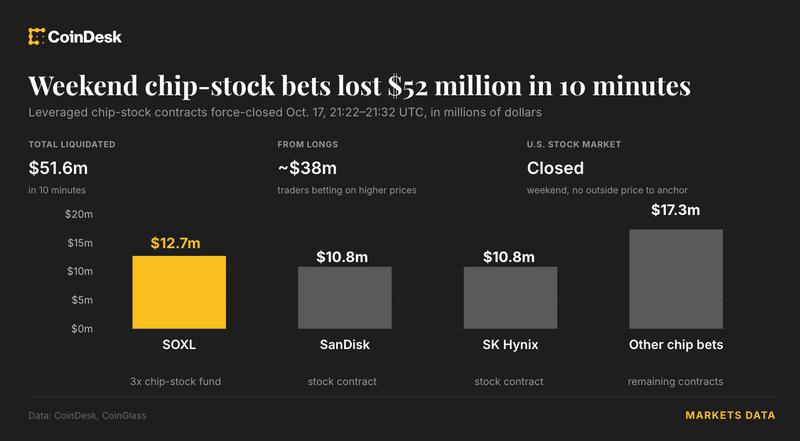
A stunning $52 million loss evaporated from chip stock positions in just ten minutes during after-hours trading while traditional Wall Street markets remained closed. The incident underscores growing concerns about liquidity risks and volatility in extended trading sessions, where thinner order books can amplify price swings and expose investors to heightened risk.
In a stark reminder of the risks inherent in after-hours trading, chip stock investors witnessed a brutal $52 million loss compressed into just ten minutes while Wall Street's main trading floor sat dark. The incident has reignited debate about market structure vulnerabilities and the dangers lurking in extended trading sessions.
The dramatic loss occurred during the post-market trading window, a period characterized by significantly lower trading volumes and reduced liquidity compared to regular market hours. During these sessions, even modest sell orders can trigger disproportionate price movements, creating a perfect storm for rapid wealth destruction. The semiconductor sector, already facing headwinds from shifting geopolitical dynamics and cyclical demand concerns, proved particularly vulnerable to this dynamic.
Market analysts point to several factors that may have contributed to the sudden collapse. The absence of institutional market makers during after-hours trading often means wider bid-ask spreads and less price stability. When combined with algorithmic trading systems that can execute rapid-fire trades based on technical triggers, the result can be cascading losses that accelerate faster than human traders can react.
The incident raises important questions about market accessibility and fairness. While after-hours trading was once the exclusive domain of institutional investors, retail traders now have widespread access through popular brokerage platforms. However, many may not fully understand the heightened risks involved when trading outside regular market hours.
For cryptocurrency traders familiar with 24/7 market dynamics, this incident may seem less shocking. Digital asset markets operate continuously without traditional market hours, subjecting participants to constant volatility. However, the chip stock collapse demonstrates that even in regulated traditional markets, concentrated losses can occur with startling speed when liquidity evaporates.
The semiconductor industry remains critical to both traditional finance and the cryptocurrency ecosystem, with chip manufacturers supplying the hardware that powers blockchain networks and mining operations. This interconnection means volatility in chip stocks can have ripple effects across multiple asset classes.
As markets become increasingly interconnected and trading extends beyond traditional hours, investors must exercise heightened caution and understand the unique risks present when Wall Street's lights go dark.