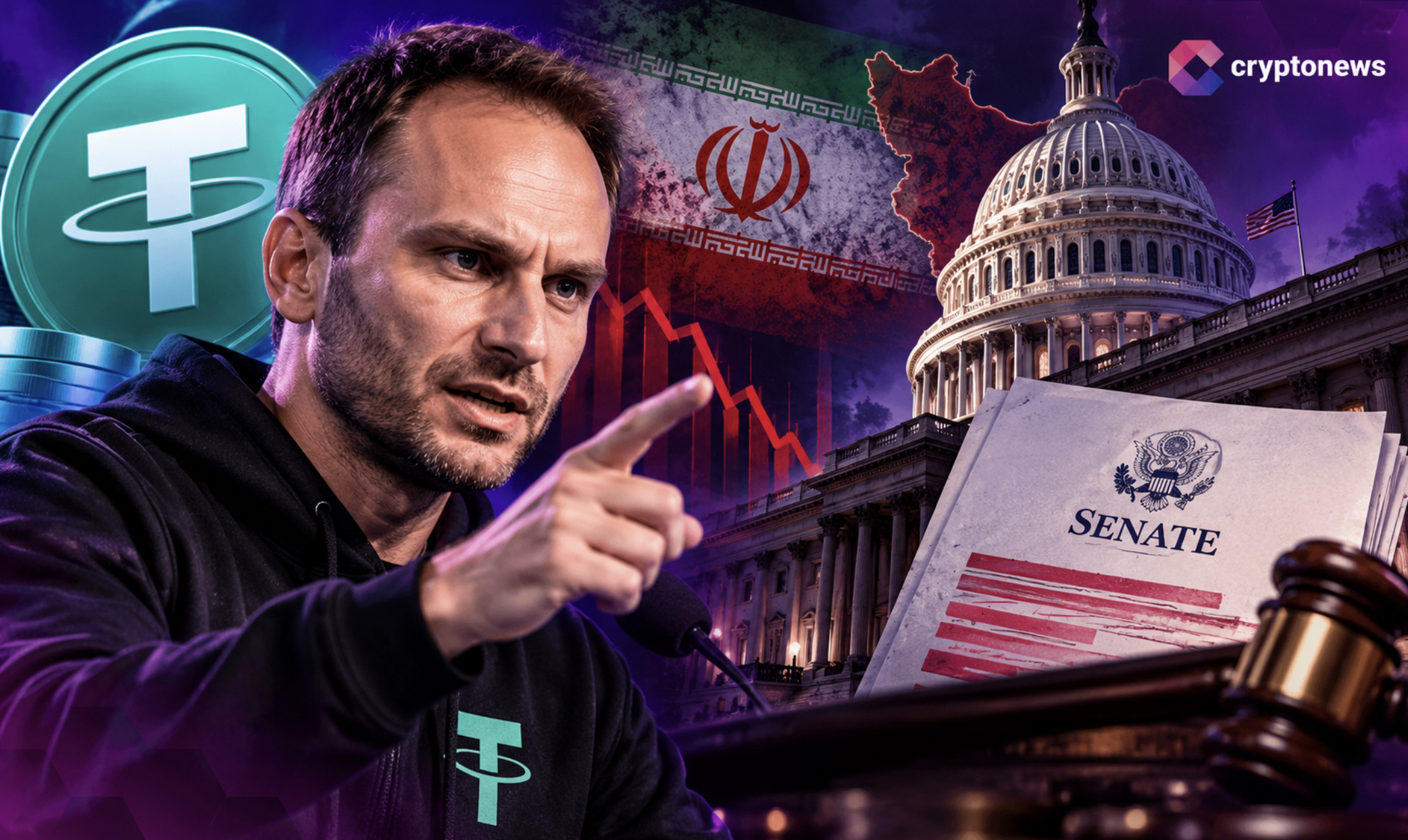
Tether CEO Paolo Ardoino is pushing back against Senate allegations regarding the company's handling of Iran-linked cryptocurrency wallets. The stablecoin issuer faces intensified scrutiny after a recent report raised questions about potential sanctions violations and the adequacy of Tether's wallet-freezing protocols.
Tether, the world's largest stablecoin issuer, finds itself at the center of a heated dispute with U.S. Senate investigators over allegations concerning Iran-linked cryptocurrency wallets and potential sanctions violations.
CEO Paolo Ardoino has mounted a vigorous defense of his company's compliance practices, responding to a Senate report that questioned Tether's procedures for freezing wallets associated with Iranian entities and its handling of referrals to law enforcement authorities. The controversy touches on critical issues surrounding cryptocurrency's role in international sanctions enforcement and the responsibilities of major digital asset issuers.
According to the Senate inquiry, concerns have been raised about whether Tether adequately froze wallets connected to Iranian users and properly reported potential banking-law violations. These allegations strike at the heart of ongoing debates about cryptocurrency's potential use in sanctions evasion, a topic that has gained urgency as global powers increasingly weaponize financial systems.
Ardoino's pushback suggests a fundamental disagreement about Tether's cooperation with authorities and its commitment to U.S. sanctions compliance. The company has historically maintained that it works closely with law enforcement and has frozen hundreds of millions of dollars in assets at the request of authorities worldwide.
The timing of this dispute is particularly sensitive for Tether, which controls over $140 billion in assets and serves as a cornerstone of cryptocurrency liquidity globally. USDT, Tether's flagship stablecoin, facilitates hundreds of billions of dollars in daily trading volume across crypto exchanges.
This confrontation also highlights the complex position of cryptocurrency companies operating in a decentralized ecosystem while facing increasing pressure to enforce traditional financial regulations. Stablecoin issuers like Tether occupy a unique gray area—they must balance the borderless nature of blockchain technology against mounting regulatory expectations from nation-states.
The outcome of this Senate investigation could have far-reaching implications not just for Tether but for the entire stablecoin industry. As regulators worldwide develop frameworks for digital assets, the question of how effectively private companies can enforce international sanctions through blockchain-based freezes remains largely unresolved.
For now, the crypto community watches closely as Ardoino defends Tether's track record, with the company's reputation and potentially its operational freedom hanging in the balance.