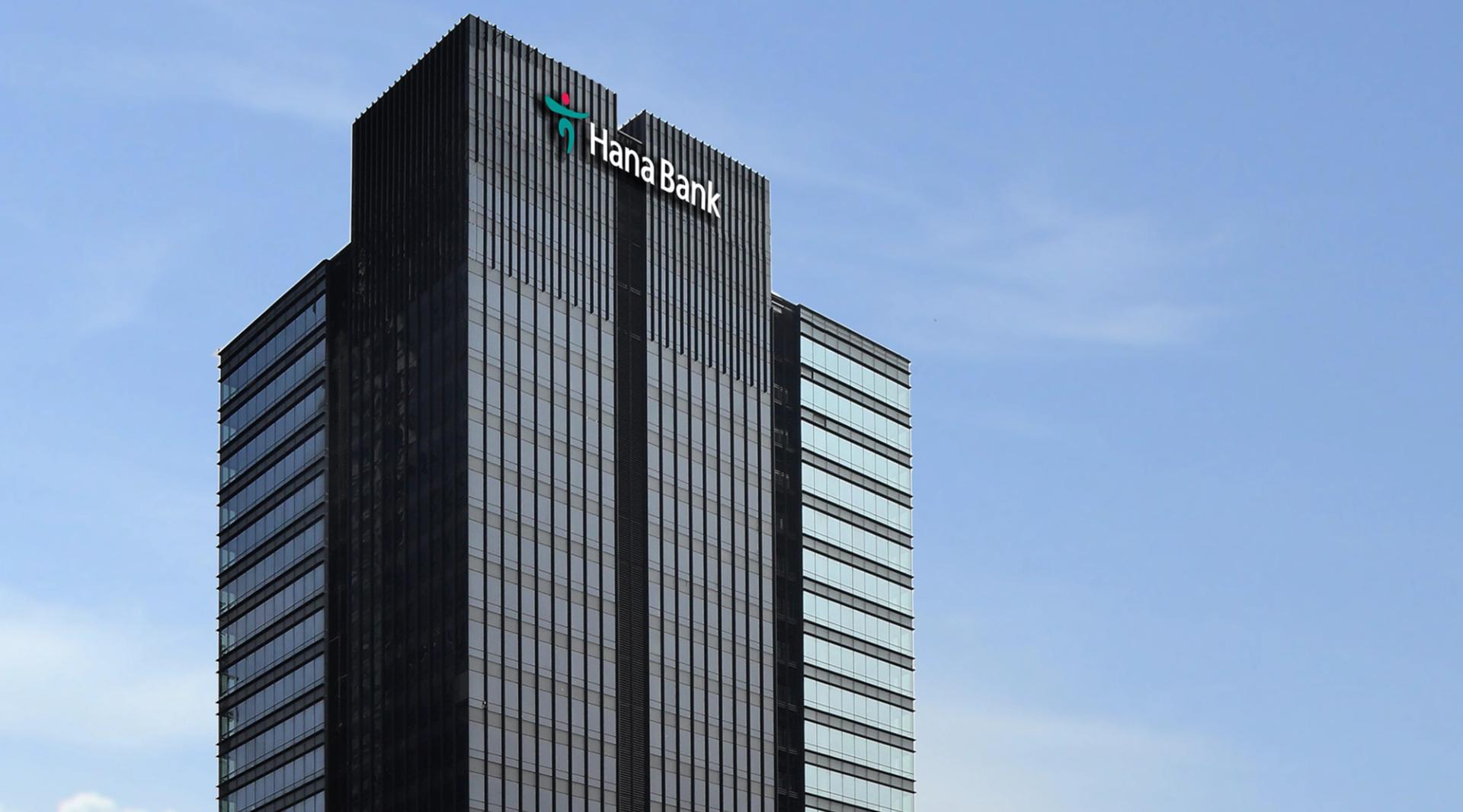
South Korea's Hana Bank has successfully issued the nation's first digital bond leveraging Euroclear's blockchain infrastructure, marking a watershed moment for the country's financial markets. The milestone transaction demonstrates the growing convergence of traditional banking and distributed ledger technology, potentially paving the way for broader institutional adoption of blockchain-based securities in Asia's fourth-largest economy.
Hana Bank has achieved a significant milestone in South Korea's digital finance evolution by issuing the country's inaugural digital bond using Euroclear's blockchain platform, signaling a transformative shift in how traditional financial institutions are embracing distributed ledger technology.
The landmark transaction represents more than just a technological achievement—it establishes a precedent for how South Korean financial institutions can leverage blockchain infrastructure to modernize capital markets operations. By partnering with Euroclear, one of the world's largest securities settlement systems, Hana Bank has demonstrated that blockchain-based bond issuance can meet institutional-grade standards for security, compliance, and operational efficiency.
Euroclear's blockchain platform provides the critical infrastructure needed to digitize traditionally paper-based or legacy electronic securities processes. The technology enables real-time settlement, enhanced transparency, and reduced operational costs compared to conventional bond issuance methods. For Hana Bank, this represents an opportunity to streamline back-office operations while positioning itself at the forefront of South Korea's digital transformation in financial services.
The timing of this development is particularly noteworthy as Asian financial markets increasingly explore blockchain applications for securities issuance and trading. South Korea has emerged as a regional leader in cryptocurrency adoption and blockchain innovation, but institutional adoption in traditional banking has proceeded more cautiously due to regulatory considerations.
This successful digital bond issuance could catalyze broader acceptance of blockchain technology among South Korean financial institutions. Other banks and securities firms will likely observe the operational benefits and regulatory reception of Hana Bank's initiative, potentially accelerating similar projects across the industry.
The collaboration with Euroclear also provides an important validation of blockchain's readiness for mainstream financial market infrastructure. As a trusted intermediary with decades of experience in global securities settlement, Euroclear's involvement lends institutional credibility to blockchain-based financial instruments.
Looking ahead, this transaction may serve as a template for future digital securities issuance in South Korea and throughout Asia. As regulatory frameworks continue evolving to accommodate blockchain-based financial products, institutions that establish early expertise in this space will likely gain competitive advantages in efficiency, cost structure, and innovation capabilities.