The United States has significantly broadened its sanctions regime against Iran, introducing comprehensive restrictions on cryptocurrency transactions, precious metals trading, maritime commerce, and technology transfers. The expanded enforcement framework represents Washington's most aggressive effort yet to close sanction evasion loopholes that Tehran has exploited through decentralized financial systems and alternative value transfer mechanisms.
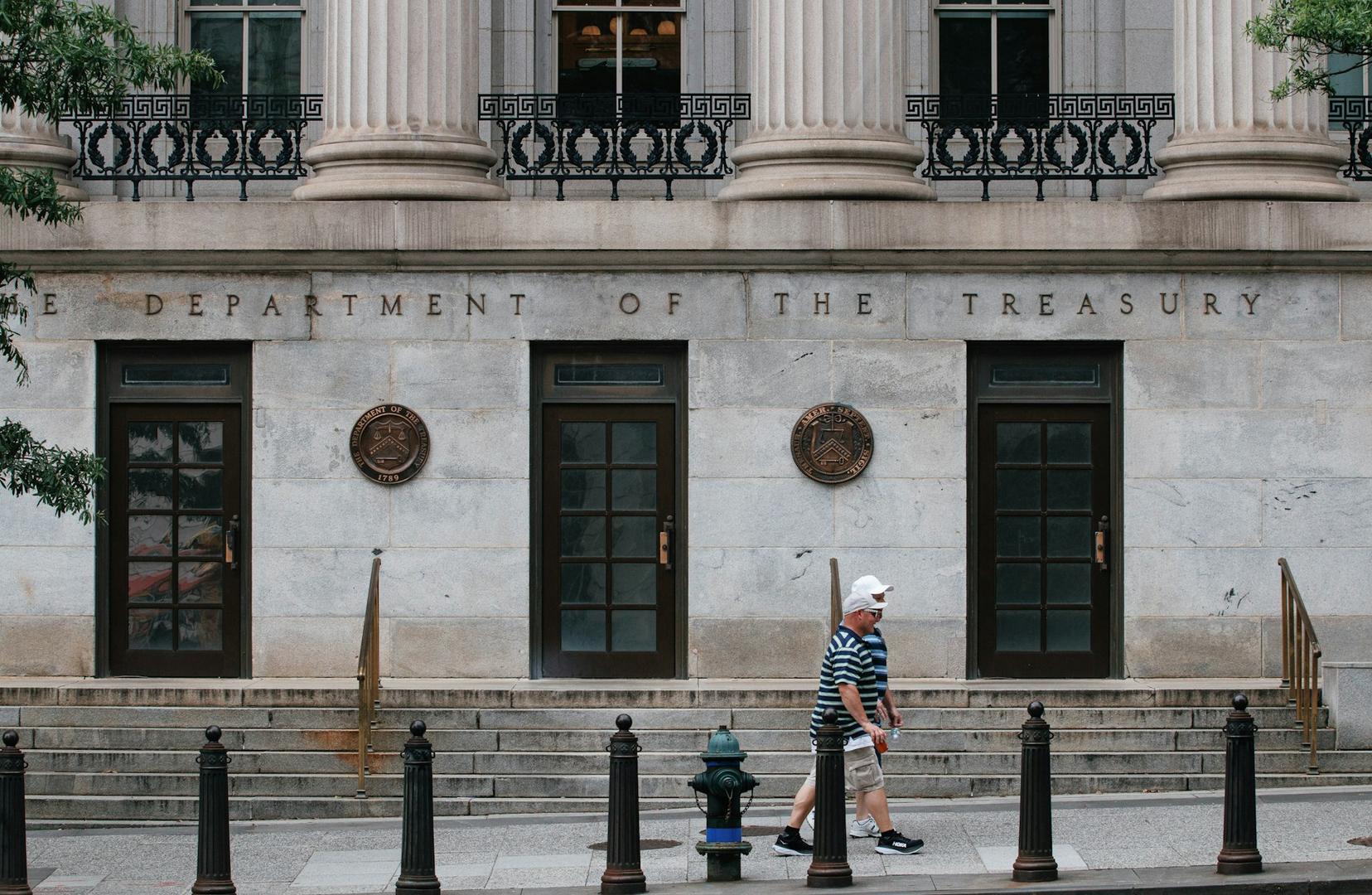
The U.S. Treasury Department has unveiled sweeping new sanctions targeting Iran's access to cryptocurrency markets, gold trading networks, shipping infrastructure, and technology sectors in what officials describe as a comprehensive strategy to limit the Islamic Republic's ability to circumvent existing economic restrictions.
The expanded crackdown addresses growing concerns within the Biden administration that Iran has increasingly turned to digital currencies and alternative financial channels to evade traditional banking sanctions. According to Treasury officials, Iranian entities have leveraged blockchain technology and decentralized finance platforms to move billions of dollars outside the conventional financial system, undermining the effectiveness of previous sanction regimes.
The new measures specifically target cryptocurrency exchanges and wallet services that facilitate transactions with Iranian individuals or entities, requiring enhanced due diligence and reporting requirements. Financial institutions that fail to comply face potential penalties and exclusion from U.S. dollar clearing systems. The restrictions also extend to mining operations within Iranian borders and any technology exports that could support the country's digital asset infrastructure.
Simultaneously, the Treasury has designated numerous shipping companies and vessels allegedly involved in transporting Iranian oil and goods, while also restricting precious metals transactions that have served as sanctions workarounds. The technology component focuses on preventing Iran from acquiring advanced computing equipment and software that could enhance both its cryptocurrency capabilities and other strategic programs.
Industry experts suggest these measures reflect a sophisticated understanding of how modern authoritarian regimes exploit financial technology. "This isn't just about cryptocurrency – it's about closing every avenue Iran uses to access global markets," noted sanctions specialist Rachel Morrison from the Atlantic Council.
The expanded sanctions have drawn mixed reactions from the cryptocurrency industry, with some compliance officers welcoming clearer guidance while privacy advocates express concerns about overreach. Several major exchanges have already announced enhanced screening procedures for Iranian-linked transactions.
As geopolitical tensions continue, this multi-sector approach signals Washington's determination to maintain economic pressure while adapting enforcement mechanisms to address the evolving landscape of international finance and digital innovation.